
In Service: Notes from the Field
Tactical insights and thoughtful dispatches from inside the work.
Explore by topic
We write regularly about the ideas, tools, and practices shaping better public systems. View all blog posts or browse posts by theme to dig deeper into the topics that matter most to you.

Community engagement
Community engagement is a cornerstone of public trust. This glossary entry clarifies what it really means, why it matters across government and nonprofit work, and how to move beyond check-the-box approaches.

Digital inclusion is public service
A growing number of essential public services are now digital-first—but not everyone has reliable devices, broadband, or safe places to connect. Digital inclusion requires more than better interfaces; it means building systems that work across low-bandwidth environments, rural communities, older populations, and people experiencing housing instability. Public service must expand access, not simply shift who is included.
Public-centered design
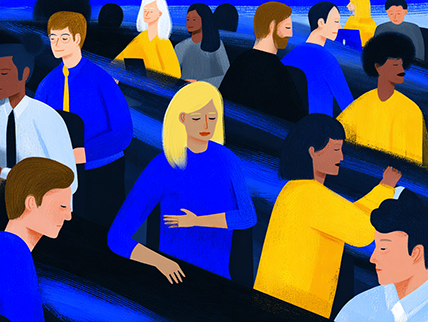
Public-centered design is the discipline of shaping public services, policies, and operations around the needs and lived experiences of the people they affect—while strengthening trust, equity, and long-term public value. This glossary entry defines the term, explains its benefits, and outlines how organizations can apply it to improve outcomes for communities and public servants alike.
Creative and civic practice internship
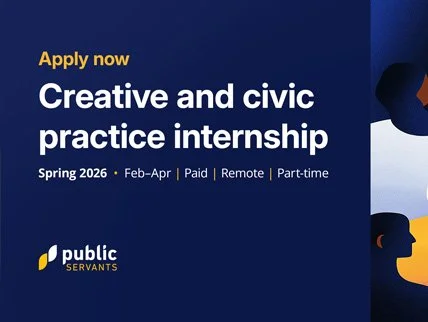
Emerging creatives have an essential role to play in shaping public systems. Public Servants’ Spring 2026 creative and civic practice internship is a paid, part-time, remote contract role offering space for early-career creatives to contribute to real projects in design, storytelling, and public-interest work. Applications are now open.

Who bears the costs of AI innovation?
AI is reshaping public systems, but not everyone benefits equally. This piece explores how long-standing power patterns reappear in AI—and what public leaders can do to ensure innovation strengthens, rather than erodes, public trust.

Building alignment after an election
Post-election periods can create pressure to act fast, but urgency alone rarely leads to better outcomes. What public-sector teams need most in this moment is alignment—clarity on priorities, roles, workflows, and the public experience they aim to protect. This piece explores how governments can move from reaction to coordinated, people-centered action in the early months after an election.

How public servants build trust
What does it take to earn public trust? In this short explainer, Ashleigh Axios breaks down the ethical obligations of public servants, why structure protects the public, and how trust is built through daily choices.

Experience Tapestry™
The Experience Tapestry™ weaves together ten strands of how people encounter public systems—from individual interactions like user experience to systemic forces like environmental impacts. This framework helps leaders see not just isolated touchpoints, but the connections between them that shape trust, dignity, and resilience in public life.

Environmental Experience (EnX)
Environmental Experience (EnX) highlights how the design of public systems impacts the natural world—and in turn, people’s health, safety, and quality of life. From waste management and emissions to biodiversity and transit choices, EnX connects civic design to planetary stewardship. Designing for EnX means designing not only for today’s residents, but for future generations who will live with the outcomes.