
In Service: Notes from the Field
Tactical insights and thoughtful dispatches from inside the work.
Explore by topic
We write regularly about the ideas, tools, and practices shaping better public systems. View all blog posts or browse posts by theme to dig into the topics that matter most to you.

2026 Top Employer
Public Servants has been named a 2026 InternshipsVA Top Employer, recognizing our commitment to meaningful, high-quality paid internship experiences.

Designing for debate
Democracy doesn’t require consensus, but it does require ways to navigate disagreement. We explore how public institutions can make competing ideas legible, structure meaningful participation, and strengthen accountability—even when people reach different conclusions.
Scholar in residence
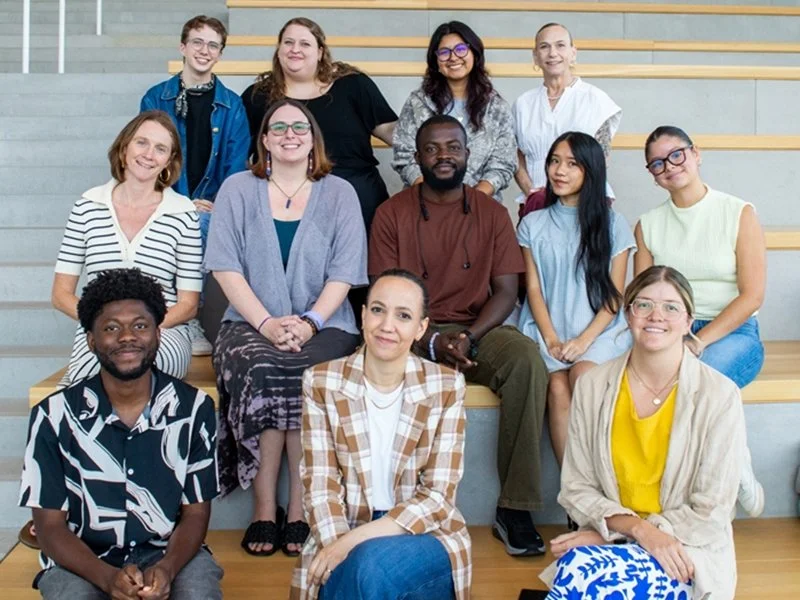
Public Servants founder and CEO Ashleigh Axios joins the University of Arkansas School of Art as its inaugural Design Scholar in Residence, connecting design, public policy, civic engagement, and professional practice across the fall semester.

Defining the work
You don’t need to have everything figured out before bringing in outside help. Here are a few things nonprofits can consider when defining the work—and where the right partner can help.

Government services
Government services are how many people experience public institutions in everyday life. Explore what counts as a government service, what it takes for one to work well, and why the systems behind the experience matter.

Fall internship applications now open
Public Servants’ Fall 2026 creative and civic practice internship is a paid, part-time, remote contract role offering space for early-career creatives to contribute to real projects in design, storytelling, and public-interest work. Applications are open.

Helping residents avoid scams
A scam can begin with the right message reaching the right person at the right time. Learn why scams succeed, why local governments have an important role to play, and how trusted public resources can help residents prevent, recognize, and respond to fraud.

What is Birthright Citizenship?
Birthright citizenship determines how most people born in the United States become citizens. Learn where the principle comes from, how the Fourteenth Amendment established it, who it applies to, and why it remains a foundational part of constitutional democracy.

Explore the Civic Glossary
Making public service easier to understand—one concept at a time.
Government and public service rely on ideas, systems, and terminology that aren't always easy to navigate. The Civic Glossary explains the concepts that shape public life through clear, accessible articles grounded in history, practice, and real-world examples.
Collaborate
Explore what’s possible with the right expertise.