
In Service: Notes from the Field
Tactical insights and thoughtful dispatches from inside the work.
Explore by topic
We write regularly about the ideas, tools, and practices shaping better public systems. View all blog posts or browse posts by theme to dig into the topics that matter most to you.

Designing for debate
Democracy doesn’t require consensus, but it does require ways to navigate disagreement. We explore how public institutions can make competing ideas legible, structure meaningful participation, and strengthen accountability—even when people reach different conclusions.

Performance review: USA
As the United States marks its 250th anniversary, Performance Review: United States of America asks a critical question: What if we evaluated our democracy the way we evaluate leadership? The piece examines recurring tensions in the American experiment and the work still required to strengthen it.

What is public policy
Public policy influences how governments address shared challenges and pursue public goals. Learn what public policy is, how it takes shape, and why implementation matters just as much as the decisions themselves.

Public understanding
Public understanding does not happen automatically. It is shaped through translation, coordination, explanation, implementation readiness, and the everyday decisions that help people navigate systems successfully. This essay explores why institutional success depends not only on making decisions, but on helping people meaningfully understand and move through what comes next.

Public interest
Public interest refers to the well-being of the broader community—prioritizing outcomes that benefit society as a whole. But in practice, defining and delivering on the public interest requires more than intention. It demands clear judgment, inclusive design, and systems that translate values into real-world impact.

Participation is designed
Participation is not a feature set. It is the product of the structures, platforms, and processes through which people encounter public institutions. When digital infrastructure lowers barriers, surfaces lived experience, and builds trust over time, engagement moves from symbolic to consequential—and public decisions improve.
What institutions owe the public
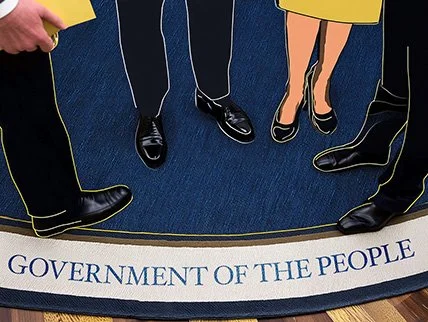
Democratic institutions are under strain—but their obligations to the public have not changed. Drawing from cross-administration reflections and lived experience, this piece outlines what public-facing institutions owe the people they serve: care, continuity, access, and accountability—especially in moments when trust is most fragile.

Institutional transparency
Institutional transparency is not just about releasing information. It is about designing systems of openness that allow people to understand how decisions are made, how power is exercised, and how public value is created. This Civic Glossary entry explores what transparency really means in government and nonprofit institutions—and why it is foundational to public trust.

City, town, and county managers
City, town, and county managers are the professional administrators responsible for running local government day to day. This Civic Glossary entry explains how these roles work, how they differ from elected leadership, and why they are central to public service.

Explore the Civic Glossary
Making public service easier to understand—one concept at a time.
Government and public service rely on ideas, systems, and terminology that aren't always easy to navigate. The Civic Glossary explains the concepts that shape public life through clear, accessible articles grounded in history, practice, and real-world examples.
Collaborate
Explore what’s possible with the right expertise.