
In Service: Notes from the Field
Tactical insights and thoughtful dispatches from inside the work.
Explore by topic
We write regularly about the ideas, tools, and practices shaping better public systems. View all blog posts or browse posts by theme to dig into the topics that matter most to you.

Fall internship applications now open
Public Servants’ Fall 2026 creative and civic practice internship is a paid, part-time, remote contract role offering space for early-career creatives to contribute to real projects in design, storytelling, and public-interest work. Applications are open.

Public Servants talent network
We’re building a network of collaborators across design, strategy, and delivery. If you’re interested in working with Public Servants, here’s how to get involved.
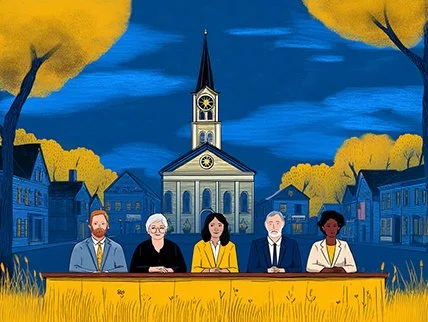
What is a city or town council?
City and town councils play a central role in how communities function—from passing local laws to deciding how public funds are spent. This overview explains what councils do, how they’re structured, and how they work with mayors and managers to shape public services.
Summer creative and civic practice internship
Public Servants’ Summer 2026 creative and civic practice internship is a paid, part-time, remote contract role offering space for early-career creatives to contribute to real projects in design, storytelling, and public-interest work. Applications are open.

What is a mayor
Mayors are among the most visible leaders in American local government, expected to set direction, respond in moments of crisis, and represent their communities. Understanding the role of a mayor helps clarify how leadership, operations, and public trust intersect in U.S. local government.
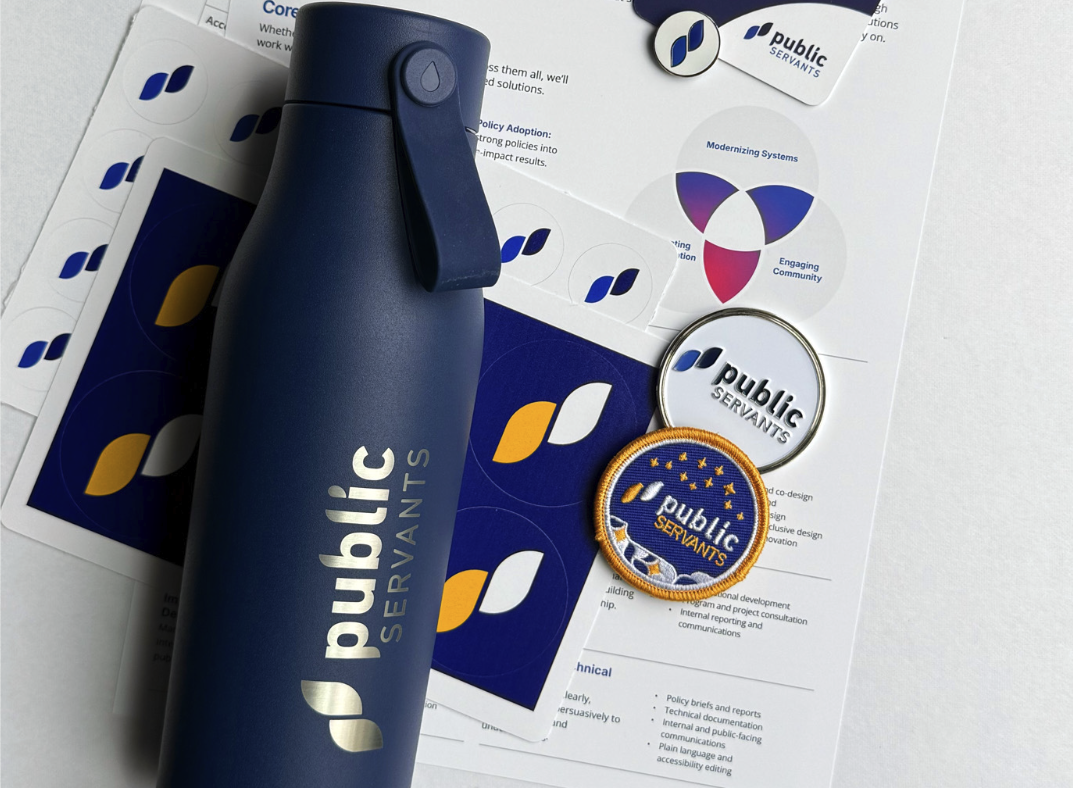
One year in service
In our first year, Public Servants focused on building quietly alongside public teams. This reflection looks back on the work, the lessons, and the foundations that shaped our approach to public-centered design in 2025.

Public-centered design
Public-centered design is the discipline of shaping public services, policies, and operations around the needs and lived experiences of the people they affect—while strengthening trust, equity, and long-term public value. This glossary entry defines the term, explains its benefits, and outlines how organizations can apply it to improve outcomes for communities and public servants alike.
Creative and civic practice internship
Emerging creatives have an essential role to play in shaping public systems. Public Servants’ Spring 2026 creative and civic practice internship is a paid, part-time, remote contract role offering space for early-career creatives to contribute to real projects in design, storytelling, and public-interest work. Applications are now open.

Building alignment after an election
Post-election periods can create pressure to act fast, but urgency alone rarely leads to better outcomes. What public-sector teams need most in this moment is alignment—clarity on priorities, roles, workflows, and the public experience they aim to protect. This piece explores how governments can move from reaction to coordinated, people-centered action in the early months after an election.

Explore the Civic Glossary
Making public service easier to understand—one concept at a time.
Government and public service rely on ideas, systems, and terminology that aren't always easy to navigate. The Civic Glossary explains the concepts that shape public life through clear, accessible articles grounded in history, practice, and real-world examples.
Collaborate
Explore what’s possible with the right expertise.