
In Service: Notes from the Field
Tactical insights and thoughtful dispatches from inside the work.
Explore by topic
We write regularly about the ideas, tools, and practices shaping better public systems. View all blog posts or browse posts by theme to dig into the topics that matter most to you.

Government services
Government services are how many people experience public institutions in everyday life. Explore what counts as a government service, what it takes for one to work well, and why the systems behind the experience matter.

Helping residents avoid scams
A scam can begin with the right message reaching the right person at the right time. Learn why scams succeed, why local governments have an important role to play, and how trusted public resources can help residents prevent, recognize, and respond to fraud.
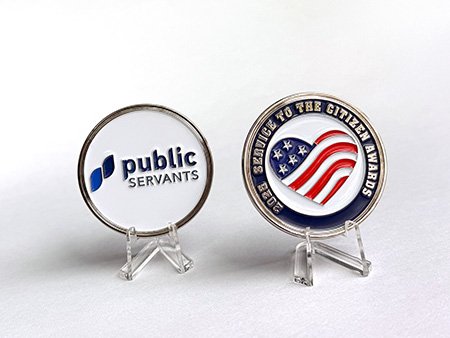
Service to the Citizen Awards
Public Servants is proud to sponsor the 2026 Service to the Citizen Awards as a challenge coin sponsor, celebrating the individuals and teams whose work strengthens public services and improves lives across the United States.

Listening to local government leaders
Public Servants is seeking city managers, county managers, town managers, chief administrative officers, and other local government leaders to participate in a national research effort exploring leadership experiences in local government.

What is public policy
Public policy influences how governments address shared challenges and pursue public goals. Learn what public policy is, how it takes shape, and why implementation matters just as much as the decisions themselves.

Public interest
Public interest refers to the well-being of the broader community—prioritizing outcomes that benefit society as a whole. But in practice, defining and delivering on the public interest requires more than intention. It demands clear judgment, inclusive design, and systems that translate values into real-world impact.

What is a city or town council?
City and town councils play a central role in how communities function—from passing local laws to deciding how public funds are spent. This overview explains what councils do, how they’re structured, and how they work with mayors and managers to shape public services.

Project, program, and product roles
Project, program, and product roles are often used interchangeably in public service, but they serve distinct functions. This piece clarifies how each role shapes delivery, coordination, and long-term outcomes—and why understanding the difference leads to more effective, accountable services.

Creativity is not a department
In an era of constant change, building a creativity-empowered workplace culture is serious business. Our guest author shares three actionable ways leaders can embed creativity into organizational culture and everyday operations—moving it from a siloed function to a shared responsibility.

Explore the Civic Glossary
Making public service easier to understand—one concept at a time.
Government and public service rely on ideas, systems, and terminology that aren't always easy to navigate. The Civic Glossary explains the concepts that shape public life through clear, accessible articles grounded in history, practice, and real-world examples.
Collaborate
Explore what’s possible with the right expertise.