What is public policy
Understanding how governments turn priorities into action—and why implementation matters.
From the roads we travel and schools we attend to public health programs, housing assistance, and environmental protections, public policy shapes many aspects of daily life. Yet despite its influence, the term is often misunderstood or used only in political contexts.
At its core, public policy is how governments respond to public challenges, allocate resources, and pursue shared goals. Understanding public policy helps us better understand not only how decisions are made, but how those decisions affect communities in practice.
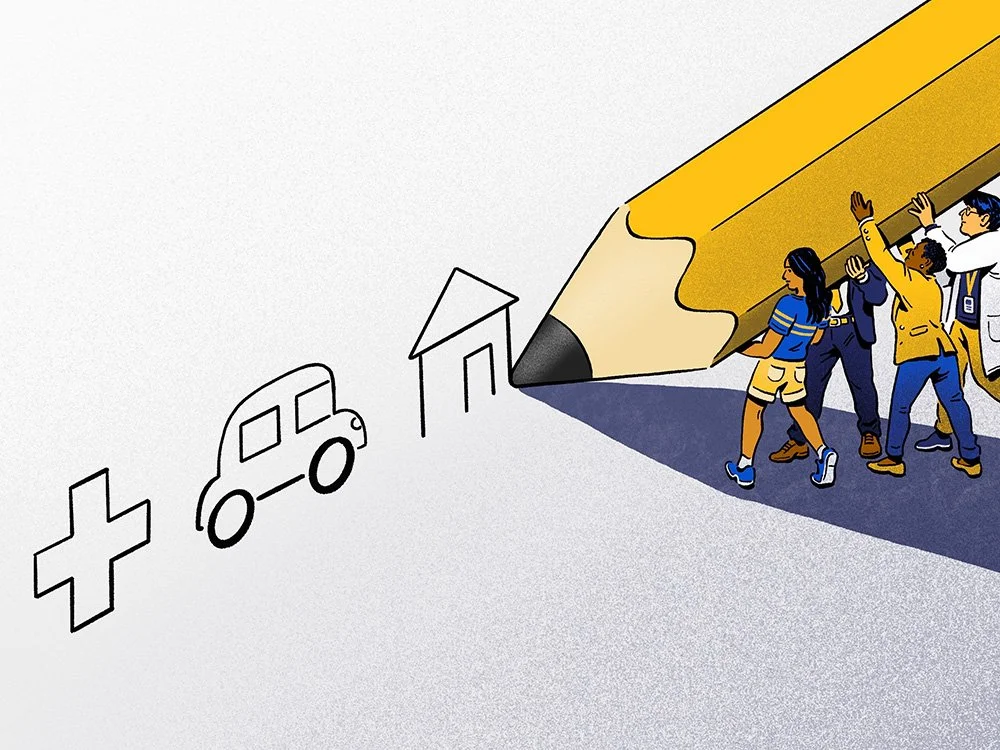
Public policy helps turn priorities into action, shaping the programs, services, and systems that affect daily life.
So what is public policy?
Public policy refers to the decisions, laws, regulations, programs, and actions governments use to address public issues and advance public goals.
Public policy can take many forms. Some policies establish legal requirements, while others create programs, allocate funding, set standards, or guide how public services are delivered. Together, they help governments translate priorities into action.
Importantly, public policy can include both action and deliberate inaction. Choosing not to regulate, fund, or intervene in a particular area is itself a policy choice with consequences.
Public policy in action
Public policy exists across nearly every area of public life.
Examples include:
Education policies that determine how schools are funded and operated.
Healthcare policies that expand access to care or support public health initiatives.
Transportation policies that shape investments in roads, transit systems, and infrastructure.
Housing policies that address affordability, zoning, or homelessness.
Environmental policies that protect natural resources and public health.
While these policies may differ in scope and purpose, each represents an effort to address a public need or achieve a public objective.
How is public policy takes shape
Public policy is rarely developed by a single individual or institution. Instead, it often emerges through a combination of research, public input, political decision-making, and administrative action.
While the process varies, it generally includes:
Identifying a public challenge or opportunity.
Gathering information and evidence.
Developing and evaluating potential solutions.
Making decisions through legislative, executive, or administrative processes.
Implementing programs, regulations, or services.
Assessing outcomes and making adjustments over time.
Policy development is also rarely linear or prescriptive. Priorities shift, conditions change, and implementation often reveals new insights that inform future decisions.
Who influences public policy?
Public policy is influenced by a wide range of actors.
These may include:
Elected officials
Public servants
Community members
Researchers and subject matter experts
Advocacy organizations
Businesses and industry groups
Effective public policy is often strengthened when decision-makers consider evidence alongside the lived experiences of the people most affected by an issue.
Policy sets direction. Implementation creates experience.
Creating a policy is only one part of the process. Whether a policy achieves its intended goals depends largely on implementation.
A transportation policy may authorize new infrastructure investments, but communities benefit only when projects are designed, funded, built, and maintained. A healthcare policy may expand access to services, but people still need systems that are understandable, accessible, and capable of delivering care.
In other words, policy establishes direction. Implementation determines how communities and individuals experience that direction through the programs, services, systems, and interactions that bring policy to life.
Many public challenges are not the result of policy intent alone, but of the gap between a policy's goals and how it is carried out in practice.
Why public policy matters in everyday life
Public policy helps societies address shared challenges, allocate resources, establish protections, and create opportunities for individuals and communities.
Whether focused on education, health, transportation, housing, or economic development, public policy influences how people experience government and public services in their daily lives.
Understanding public policy is an important step toward understanding how public systems work—and how they can be improved.
Illustration by Summer 2026 intern, Gina Bae.