
In Service: Notes from the Field
Tactical insights and thoughtful dispatches from inside the work.
Explore by topic
We write regularly about the ideas, tools, and practices shaping better public systems. View all blog posts or browse posts by theme to dig into the topics that matter most to you.
What institutions owe the public
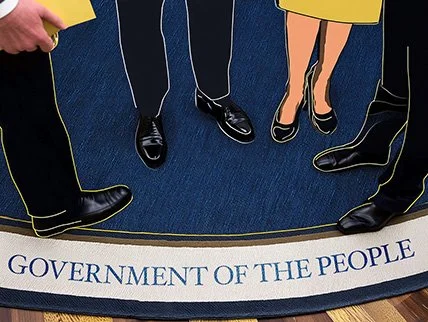
Democratic institutions are under strain—but their obligations to the public have not changed. Drawing from cross-administration reflections and lived experience, this piece outlines what public-facing institutions owe the people they serve: care, continuity, access, and accountability—especially in moments when trust is most fragile.

Institutional transparency
Institutional transparency is not just about releasing information. It is about designing systems of openness that allow people to understand how decisions are made, how power is exercised, and how public value is created. This Civic Glossary entry explores what transparency really means in government and nonprofit institutions—and why it is foundational to public trust.

City, town, and county managers
City, town, and county managers are the professional administrators responsible for running local government day to day. This Civic Glossary entry explains how these roles work, how they differ from elected leadership, and why they are central to public service.

Rebalancing agile in government
Agile practices can support meaningful public outcomes—when government teams lead with clarity. Drawing from recent client engagements, this post explores how public teams can rebalance vendor relationships, strengthen collaboration, and build processes that reflect their mission, values, and responsibilities to the public.

Designing for crisis and resilience
When crisis becomes the operating condition, design reveals what our public systems truly value. This essay reflects on how public-centered design can support prevention, response, and recovery—especially for those who cannot afford failure.

One year in service
In our first year, Public Servants focused on building quietly alongside public teams. This reflection looks back on the work, the lessons, and the foundations that shaped our approach to public-centered design in 2025.

Who owns the user?
Government teams care deeply about the people they serve—but unclear roles can lead to confusion, duplicated effort, and missed opportunities. This post explores how product and design teams can clarify responsibility for user needs, strengthen collaboration, and build practices rooted in shared stewardship.

Community engagement
Community engagement is a cornerstone of public trust. This glossary entry clarifies what it really means, why it matters across government and nonprofit work, and how to move beyond check-the-box approaches.

Digital inclusion is public service
A growing number of essential public services are now digital-first—but not everyone has reliable devices, broadband, or safe places to connect. Digital inclusion requires more than better interfaces; it means building systems that work across low-bandwidth environments, rural communities, older populations, and people experiencing housing instability. Public service must expand access, not simply shift who is included.