
In Service: Notes from the Field
Tactical insights and thoughtful dispatches from inside the work.
Explore by topic
We write regularly about the ideas, tools, and practices shaping better public systems. View all blog posts or browse posts by theme to dig into the topics that matter most to you.

What is a mayor
Mayors are among the most visible leaders in American local government, expected to set direction, respond in moments of crisis, and represent their communities. Understanding the role of a mayor helps clarify how leadership, operations, and public trust intersect in U.S. local government.

Creativity is not a department
In an era of constant change, building a creativity-empowered workplace culture is serious business. Our guest author shares three actionable ways leaders can embed creativity into organizational culture and everyday operations—moving it from a siloed function to a shared responsibility.

Public data restraint
In public service, more data often promises more insight. But responsible leadership requires knowing when not to collect certain information at all. This essay explores data restraint, informed consent, and the governance decisions that shape public trust over time.

Spring 2026 interns
Meet the Spring 2026 Public Servants interns—a set of emerging designers, writers, and researchers exploring public service as a lived, ethical practice. In their own words, they share what draws them to civic work and what they hope to build this season.

Participation is designed
Participation is not a feature set. It is the product of the structures, platforms, and processes through which people encounter public institutions. When digital infrastructure lowers barriers, surfaces lived experience, and builds trust over time, engagement moves from symbolic to consequential—and public decisions improve.

Personally identifiable information (PII)
Personally identifiable information (PII) is the data public systems use to recognize people and make decisions about their lives. In civic contexts, it goes far beyond names and numbers—shaping access to care, housing, safety, and opportunity, and carrying both individual and collective histories.
What institutions owe the public
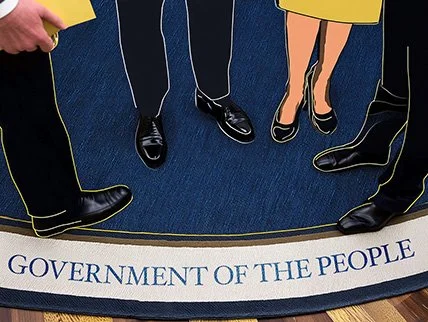
Democratic institutions are under strain—but their obligations to the public have not changed. Drawing from cross-administration reflections and lived experience, this piece outlines what public-facing institutions owe the people they serve: care, continuity, access, and accountability—especially in moments when trust is most fragile.

Institutional transparency
Institutional transparency is not just about releasing information. It is about designing systems of openness that allow people to understand how decisions are made, how power is exercised, and how public value is created. This Civic Glossary entry explores what transparency really means in government and nonprofit institutions—and why it is foundational to public trust.

City, town, and county managers
City, town, and county managers are the professional administrators responsible for running local government day to day. This Civic Glossary entry explains how these roles work, how they differ from elected leadership, and why they are central to public service.